
The Verified Camarillo Directory Years
The strongest local directory evidence is specific but incomplete. Official California environmental-review research cites the Ventura County California Directory for 1959 and 1960 and city-directory evidence for 1964/65 and 1970. The accessible catalog did not expose an exhaustive Camarillo publisher run, a complete personal entry, or a local abbreviation key. That gap should stay visible. A sound local directory search names the edition used and does not turn a citation to a business into proof of a full household list.
| Collection | Verified years | Where held or cited | Access and use |
|---|---|---|---|
| Ventura County California Directory | 1959, 1960 | Official state research citing Ancestry content | Check at Camarillo Library; confirm shelf or publisher |
| City-directory evidence | 1964/65, 1970 | Official historical-use citations | Use as leads, then request the volume or page |
| U.S. City and Business Directories | About 1749-1990 collection span | FamilySearch | Place and year search; image access varies |
| City Directory and Telephone Book databases | Exact Camarillo run not exposed | California State Library | Search Ventura with Camarillo; History Room fallback |
Do not label a local volume “Polk” without confirmation. A missing edition may reflect a catalog gap, a publication gap, access limits, or a boundary difference between Camarillo and Ventura County. Note the source and page for every entry.
Camarillo Directory Shelves and VCGS
Camarillo Public Library is the practical first stop for a local shelf search. Its genealogy page describes the Ventura County Genealogical Society collection, which began in 1976 and includes journals, family histories, and Camarillo and California books. The Local History Collection covers Camarillo and Ventura County, agriculture, Chumash history, Naval Base Ventura County, and local sports. VCGS volunteers are listed Monday from 10:00 a.m. to noon, with appointments available by email; confirm the schedule before travel.
The library is at 4101 Las Posas Road, Camarillo, CA 93010, and the published phone is (805) 388-5222. Published hours are Monday-Thursday 10:00 a.m. to 8:00 p.m. and Friday-Sunday 10:00 a.m. to 5:00 p.m. The digital shelf lists Ancestry Library, FamilySearch, and HeritageQuest as in-library resources. Ancestry can bring together census, vital, and directory material; HeritageQuest adds census, family and local histories; FamilySearch may expose catalog or image-only collections.
The library collection policy is a useful access check before a visit. The policy image below is not a directory page, but it shows the local institutional route for material that a web search may not expose.
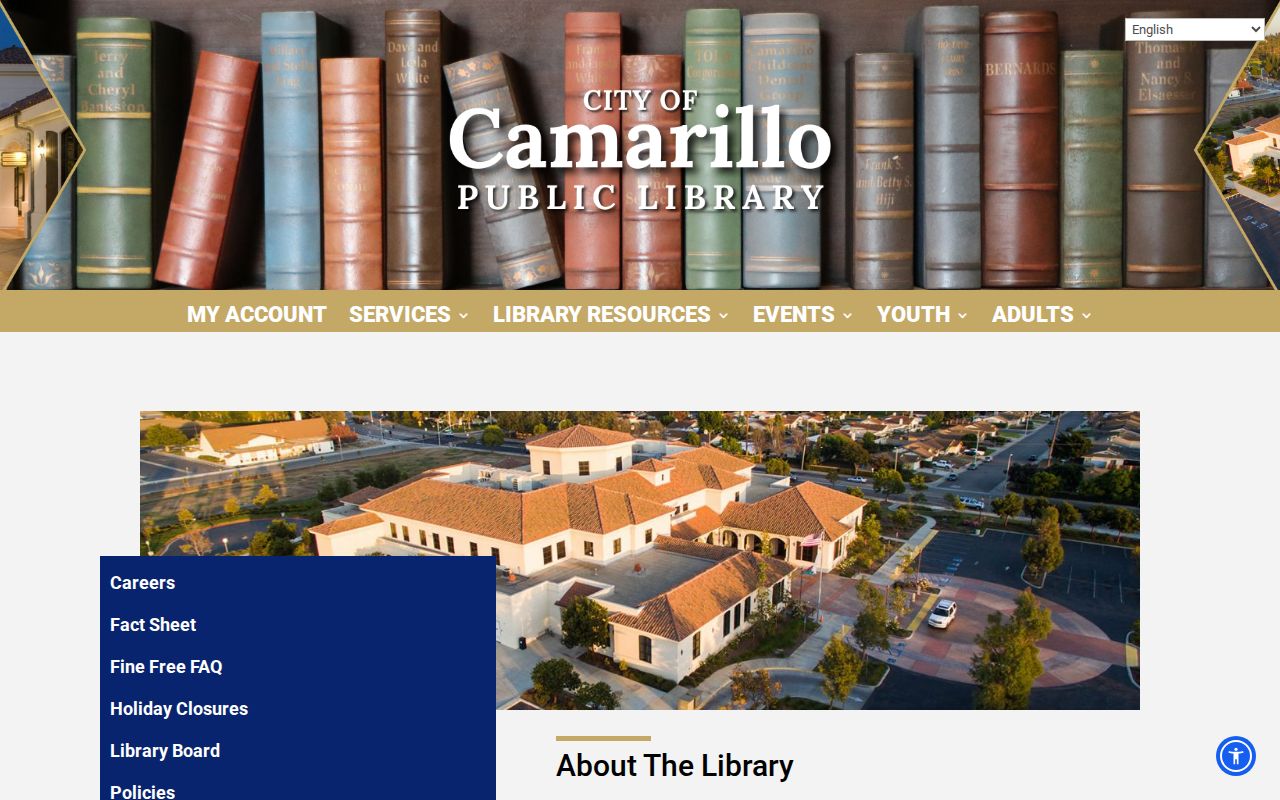
The local-history collection gives a Camarillo volume search a physical shelf and a volunteer research path.
Search Camarillo's Directory Shelf
The California State Library’s Ventura County guide points to its City Directory and Telephone Book databases and advises searching “Ventura” together with each county city. That route matters because a directory can be cataloged at county level even when a searcher wants Camarillo. Search the place and year, inspect the result’s collection note, and ask the History Room for a shelf check when an image or exact run is not exposed.
FamilySearch’s broad U.S. City and Business Directories collection spans about 1749 to about 1990, but that range is collection-wide. It is not a promise that every year belongs to Ventura County. The same caution applies to FamilySearch naturalization and probate collections. Check the county and date inside the collection before citing it as Camarillo evidence.
For an edition that includes a street guide or reverse section, photograph or transcribe the key first. The accessible research did not establish that a reverse section appears in the exact Camarillo volumes, so treat it as a question for the librarian rather than a guaranteed feature.
The National Archives census guide identifies the national research route and makes the release boundary clear. Camarillo Library’s digital-library listing identifies the in-library databases.
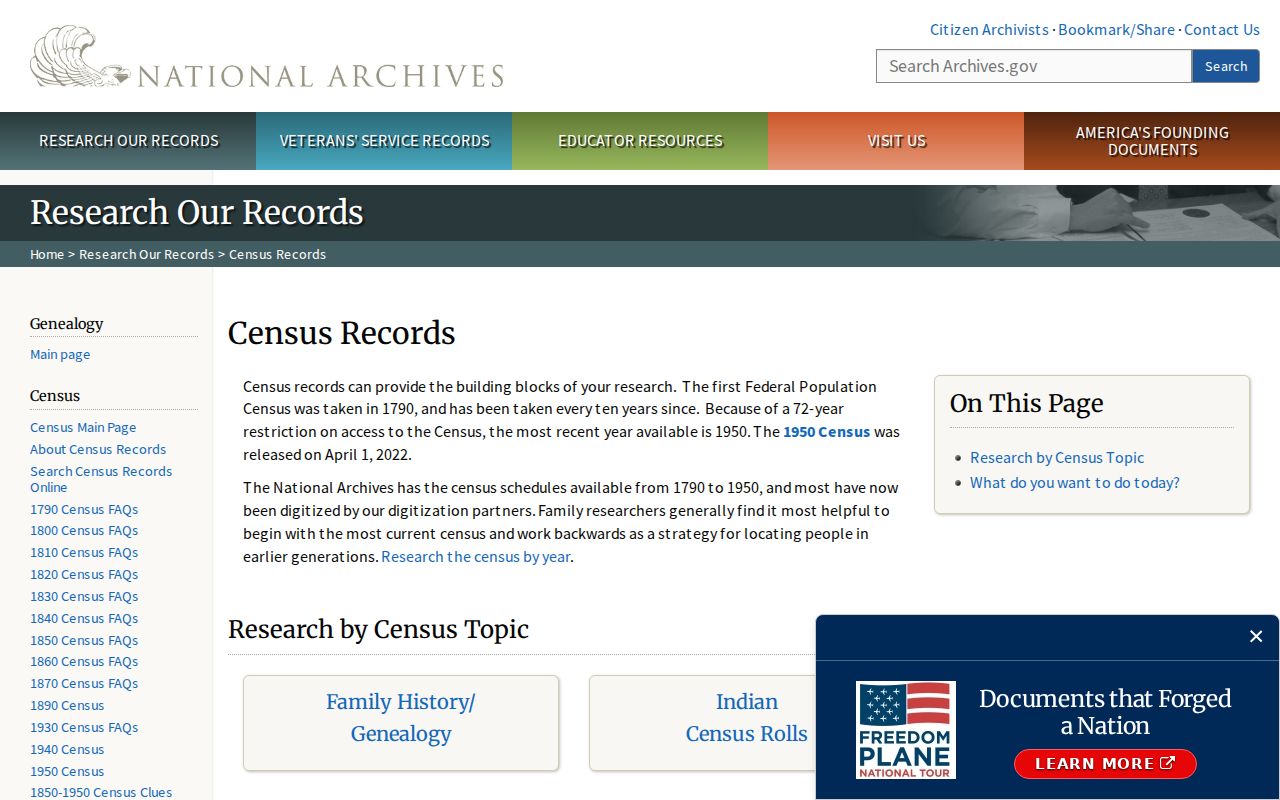
The national research route helps bridge directory years with census schedules, but its release and collection rules still apply.
How a Camarillo Directory Entry Reads
A local citation in the research file shows a name or establishment, a street number, a street name or suffix, and the directory year. The cited examples include the Camarillo Branch Library at 20 S. Glenn Drive, the Fire Department at 2474 Ventura Boulevard, Schick’s Gasoline Service Station at 2392 Ventura Boulevard, Jack’s Radiator Shop at 51 S. Glenn Drive, and B&C Union Service at 2501 Ventura Boulevard. These are business or institutional examples, not a complete household sample.
Other directory fields can exist in some volumes, but they were not verified in a Camarillo sample. Read the page and abbreviation key rather than filling in a familiar pattern from another city.
| Name | The person, family entry, business, or institution printed by the volume. |
|---|---|
| Address | House number and street as printed in that edition, with its own suffix and abbreviations. |
| Occupation | A line-of-work field that may appear in a household entry, but was not verified here. |
| Spouse or household note | Possible contextual field in some runs; check the actual page before relying on it. |
| Owner or renter mark | Possible volume-specific notation, not established for the verified Camarillo citations. |
- Criss-cross directory
- A street-order section used to reverse an address into names when the volume contains one.
- Householder index
- An index organized around named householders or heads of household, if the volume provides it.
- Abbreviation key
- The volume’s own guide to marks and short forms. Record it before interpreting an entry.
Trace a Camarillo Directory Household
A Camarillo directory volume is most useful when treated as a dated snapshot. Start with a name or address that is already anchored by family papers, a deed, an obituary, or a known institution. Follow the exact printed form, then test variants, street context, and the next edition. A person may disappear because of a move, death, changed listing practice, a missed canvass, or a gap in the collection. The absence needs a second source.
- Choose the closest verified edition and write down the name, address, page, and source location.
- Search the alphabetical side for spelling variants and any household notes actually shown.
- Check the street-order or criss-cross side only if the volume contains one, then record the neighboring entries.
- Compare the next or prior edition and note every address, spouse, business, or name change.
- Close the gap with a census, deed, newspaper, school yearbook, obituary, probate file, or cemetery record.
Search by address as well as name. Historical Camarillo streets can carry older community labels, different suffixes, or a later subdivision context. The legal description and APN are stronger bridges than a modern street string.
Pair Camarillo Directory Years With 1950
The 1950 federal census is the current public census anchor for a Camarillo directory search. It reports household members, relationships, ages, birthplace, occupation, and address at the enumeration date. A 1959 or 1960 directory then offers a later address snapshot. The two sources do not describe the same day, and a directory may list only a principal named adult, so use them as a bridge rather than a perfect match.
| Time point | Source | What to compare |
|---|---|---|
| 1950 | Federal census | Household members, relationships, age, birthplace, address, occupation |
| 1959 or 1960 | Verified local directory citation | Printed name, street address, and edition context |
| 1964/65 or 1970 | Later directory evidence | Moves, continuity, business or institution changes |
| 2032 | 1960 census release point | Future comparison, not currently public in 2026 |
The National Archives census guide documents the 72-year release rule. It prevents a researcher from presenting a future 1960 census household as current evidence.
Camarillo Historical Records Beyond the Web
The Museum of Ventura County Research Library is a strong fallback when a Camarillo city directory search reaches its limit. The research file describes more than 7,000 county-history volumes, more than 100,000 photographs dating from 1864, family and local-government manuscripts, club material, maps, newspapers, postcards, incorporation records, and more than 425 indexed oral histories. The library is at 100 E. Main Street in Ventura, with free appointment research Wednesday-Friday from 11:00 a.m. to 5:00 p.m. and a published phone of (805) 653-0323 extension 320.
Pleasant Valley Historical Society’s Fulkerson Library holds local books, documents, and photographs. Its Dons and Doñas collection includes annual biographies and scrapbooks for more than 500 long-serving residents honored since 1964. The Fulkerson Library is currently closed for construction, so contact the society before planning a visit.
The Pleasant Valley Historical Society and the CSUCI Camarillo State Hospital archive add community and institutional history. CSUCI’s 1836-1997, 100-linear-foot archive includes histories, registers, photographs, newspapers, scrapbooks, ledgers, blueprints, and oral histories. Patient material has privacy restrictions and is not a public directory.
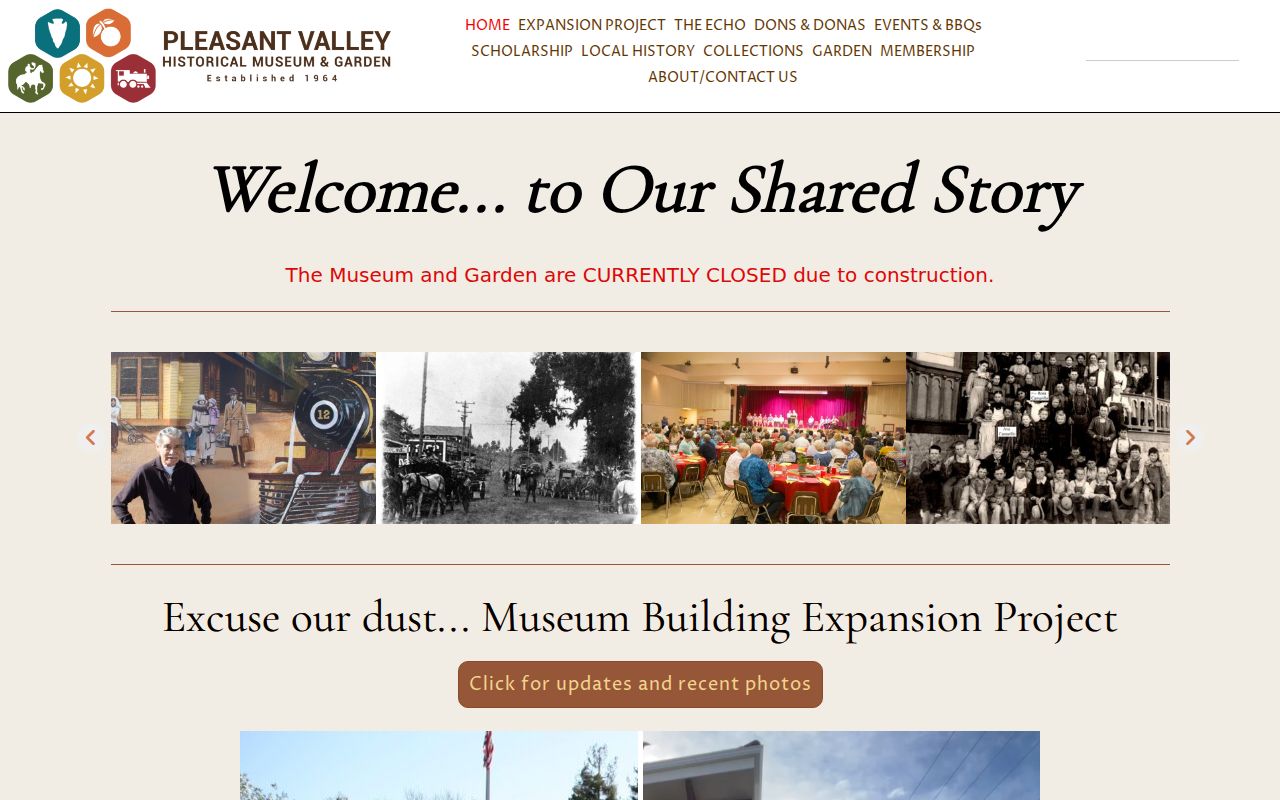
Local-history groups can preserve a name-rich life story even when no city directory page survives.
The CSUCI Camarillo State Hospital archive page identifies the collection route shown below.
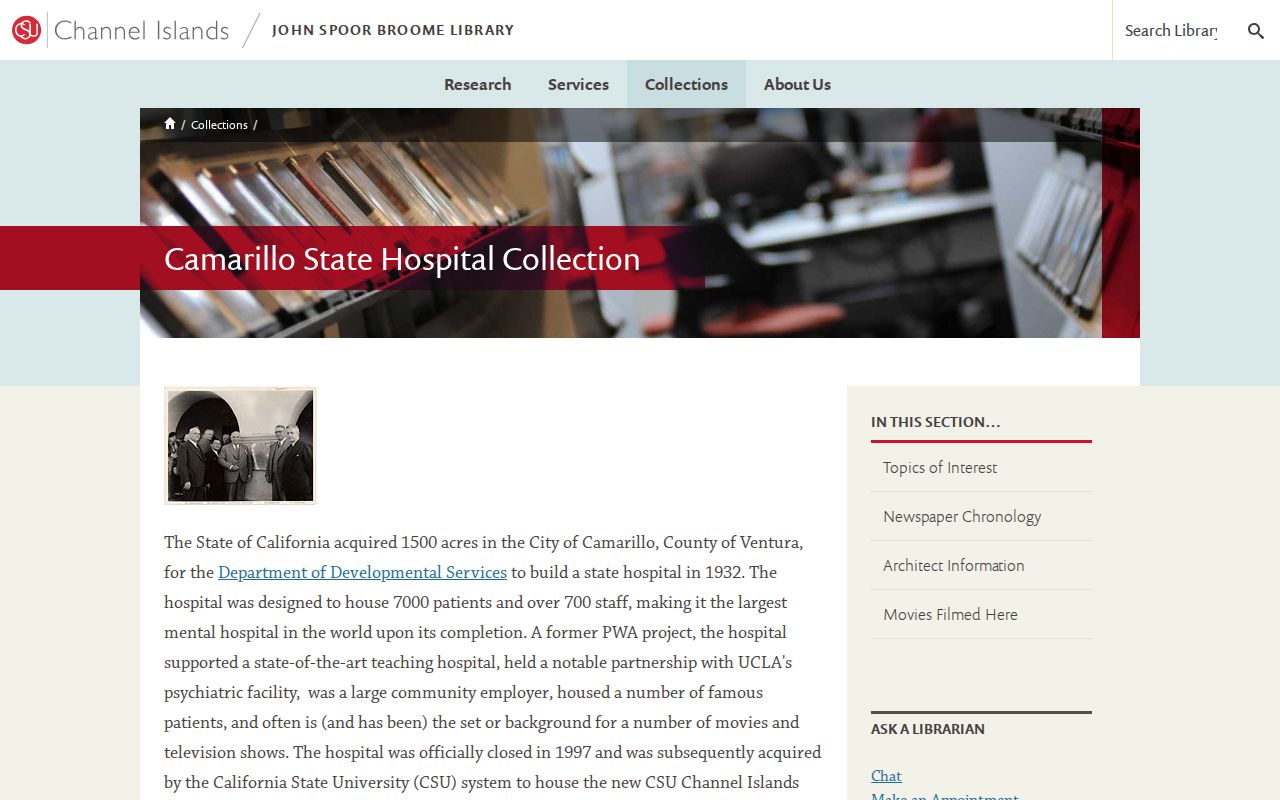
The CSUCI archive supplies institutional context, but confidential patient images cannot be published or distributed.
Camarillo Directory History and 1964
Camarillo incorporated on October 22, 1964. Before that day, a city Clerk file could not be the source for an older civic event. Search Ventura County, Pleasant Valley special districts, schools, the post office, and private or community archives instead. The 1964/65 directory evidence falls near that change, so its boundary and publisher should be recorded rather than assumed.
Ventura County itself became effective January 1, 1873 after separation from Santa Barbara County. A still older Camarillo or Pleasant Valley address can therefore require Santa Barbara County books. The local directory shelf is part of a jurisdiction history, not just a stack of names.
Note: A city directory’s place label reflects the edition’s geography, which may differ from today’s city limit, postal city, or parcel boundary.
Bridge a Camarillo Directory Address
To connect an old Camarillo city directory entry with a modern parcel, preserve the historical address exactly, search the adjacent street context, and test the current address in County View. Use tract, lot, block, recorded map, previous APN, and legal description when the street text no longer matches. Newer planned areas can explain a gap: Village at the Park dates to 2001, Camarillo Commons to 2007, and Springville to 2008, after the verified mid-century citations.
Then compare a deed, permit date, census household, newspaper notice, obituary, or probate endpoint. The directory supplies the person-to-place clue. The parcel and deed supply continuity. The two roles should remain visible in the notes so a historical association is not mistaken for present residence.